
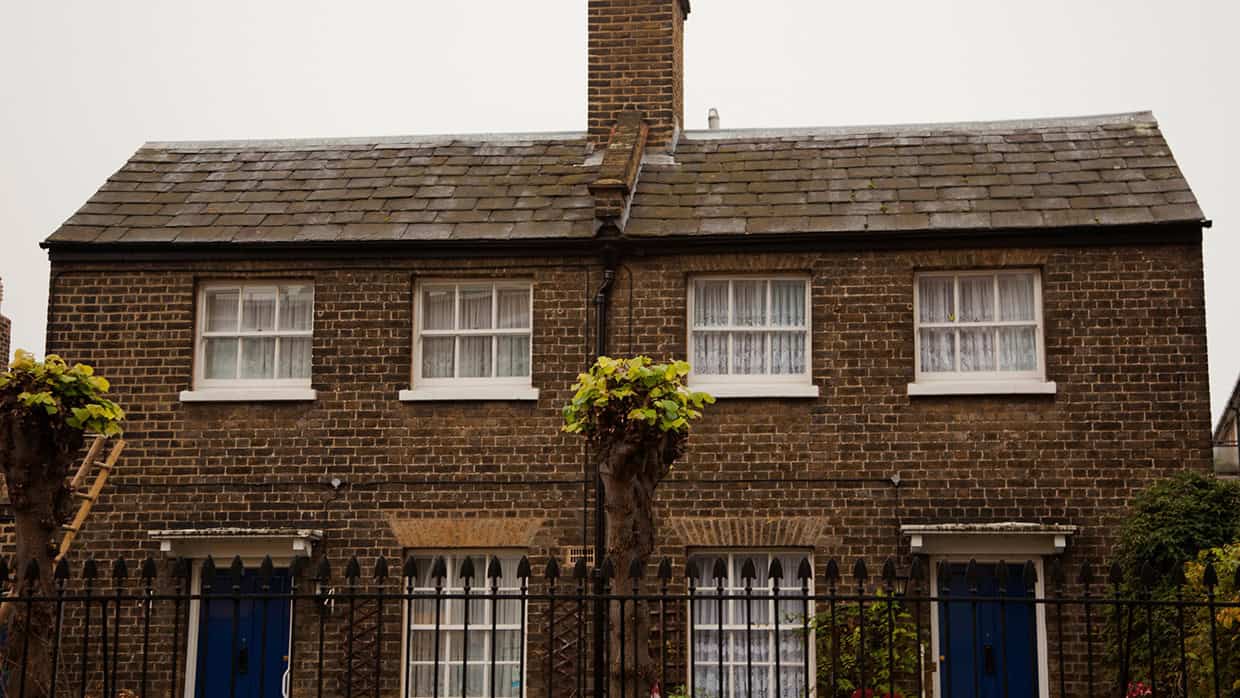
Did you know that nearly 80% of UK homes were built before 1980 and often lack modern insulation?
Assessing heat pump suitability for older homes is crucial as you weigh lower energy bills against retrofit costs.
In this guide, we’ll cover the key challenges—radiator compatibility, insulation upgrades, planning permissions—and practical steps to ensure your period property can truly benefit from a heat pump.
What are the challenges associated with installing heat pumps in older homes?
When you install a ground-source heat pump or air-source heat pump, you can look forward to a clean heating system and lower energy bills.
These innovative systems work by collecting heat from a natural source and transferring it to your property, reducing reliance on fossil fuels and protecting the environment.
While heat pumps have a place in all homes, you might experience some challenges when installing them in older properties.
Here’s why:
Radiators and underfloor heating systems
Heat pumps are compatible with both radiators and underfloor heating systems. However, to ensure optimal performance, especially during colder months, it’s important to assess your current heating setup.
Older radiators, designed for higher-temperature systems like traditional gas boilers, may not be as effective with the lower flow temperatures of heat pumps. In such cases, upgrading to larger or more efficient radiators can enhance heat distribution and maintain comfort throughout your home.
Our experienced technical consultants will assess your situation and provide guidance on the most suitable installation for your project.
Insulation levels
Due to old-fashioned construction techniques, period properties in the UK usually have lower insulation levels than modern homes. If your property has single-glazed windows, solid walls, or an older roof, it will struggle to retain heat.
Why are heat pumps better than a traditional gas boiler?
Gas boilers were once innovative solutions for homes in the UK, allowing them to move away from traditional coal and enjoy a reliable central heating system. However, both gas and oil boilers burn fossil fuels to create heat, which has a negative environmental impact.
Both ground and air-source heat pumps are renewable energy sources because they collect heat from the earth or air and transport it into your property.
Here’s why a heat pump is more effective than a traditional system:
- Energy Efficiency: According to British Gas, the average boiler can achieve between 70-90% efficiency levels, but some have ratings of over 100%. However, the average heat pump achieves efficiency ratings of 300-400%, meaning it will generate up to four units of heat for each unit of electricity consumed.
- Long-Term Savings: Because heat pumps are so energy efficient, they can result in long-term savings on your energy bills. You can save more money when combined with solar panels, as heat pumps need electricity to work.
- Grants: With the UK government advocating for renewable energy systems, there are numerous grants for households to explore. For example, the Boiler Upgrade Scheme offers up to £7,500 towards heat pump installations.
Can heat pumps work in older houses?
Having an older home doesn’t automatically rule heat pumps out for you, as there are things you can do to improve insulation and ensure your heat pump provides year-round comfort.
Understanding your home’s limitations can help you optimise it for maximum efficiency.
Check for heat loss
Older homes are more susceptible to heat loss, regardless of the system you choose. However, as heat pumps operate at lower temperatures than gas boilers, you might notice that the room gets colder during the winter.
You can assess your home’s ability to retain heat by looking at the type of glazing and whether there is sufficient insulation. Many people choose to invest in a professional heat loss survey, which gives them actionable recommendations.
Upgrading your single-glazed windows to double or triple-glazing and installing roof, floor, and wall insulation will prevent heat loss.
Evaluate your existing radiators
Most older properties are designed for gas heating systems operating at higher temperatures than heat pumps. So, if your existing radiators are outdated or small, the heat pump will have problems maintaining a constant temperature.
Upgrading your radiators can be beneficial, but you can also explore installing an underfloor heating system or increasing pipework size – all of which can improve the heat pump’s performance.
Review your Energy Efficiency Rating (EPC)
All properties should have an Energy Performance Certificate (EPC), and reviewing yours could help you assess the feasibility of a heat pump. For example, homes with an A rating have lower energy consumption, while G-rated properties accumulate higher heating costs.
Even if your home has a low rating, you can still access grants through the Boiler Upgrade Scheme, but the heat pump will cost more to run as it has to work harder.
Your EPC will list key steps to improving your rating, which will ensure you can choose the right heat pump size for your home and save money.
Check for planning permission issues
Most heat pumps fall under permitted development guidelines, which means households can install them without applying for planning permission. However, if your building is listed or you live in a conservation area, you may need to seek advice before the heat pump is installed.
When it comes to listed buildings and conservation areas, numerous factors define whether your heat pump is eligible for permitted development. For example, if installing a heat pump would impact the aesthetic appeal of historic buildings, you may need planning permission.
Reviewing the government’s Planning Portal can help you determine whether permission is necessary. A reputable heat pump installation service will find a suitable location for the pump to avoid a lengthy application process.
Final thoughts
From their ability to reduce carbon emissions to their long-term savings, heat pump installations are a positive step towards a greener – and more affordable – future. While there are some considerations for installing a heat pump in an older home, making some minor upgrades can have a significant impact.
The key to benefiting from everything these systems have to offer is careful planning and using a reputable installation service. Whether your home is poorly insulated or has limited space, IMS Heat Pumps has helped hundreds of properties across the UK.
Our team of experts goes out of their way to ensure a smooth transition. Please contact us today for a quote.