
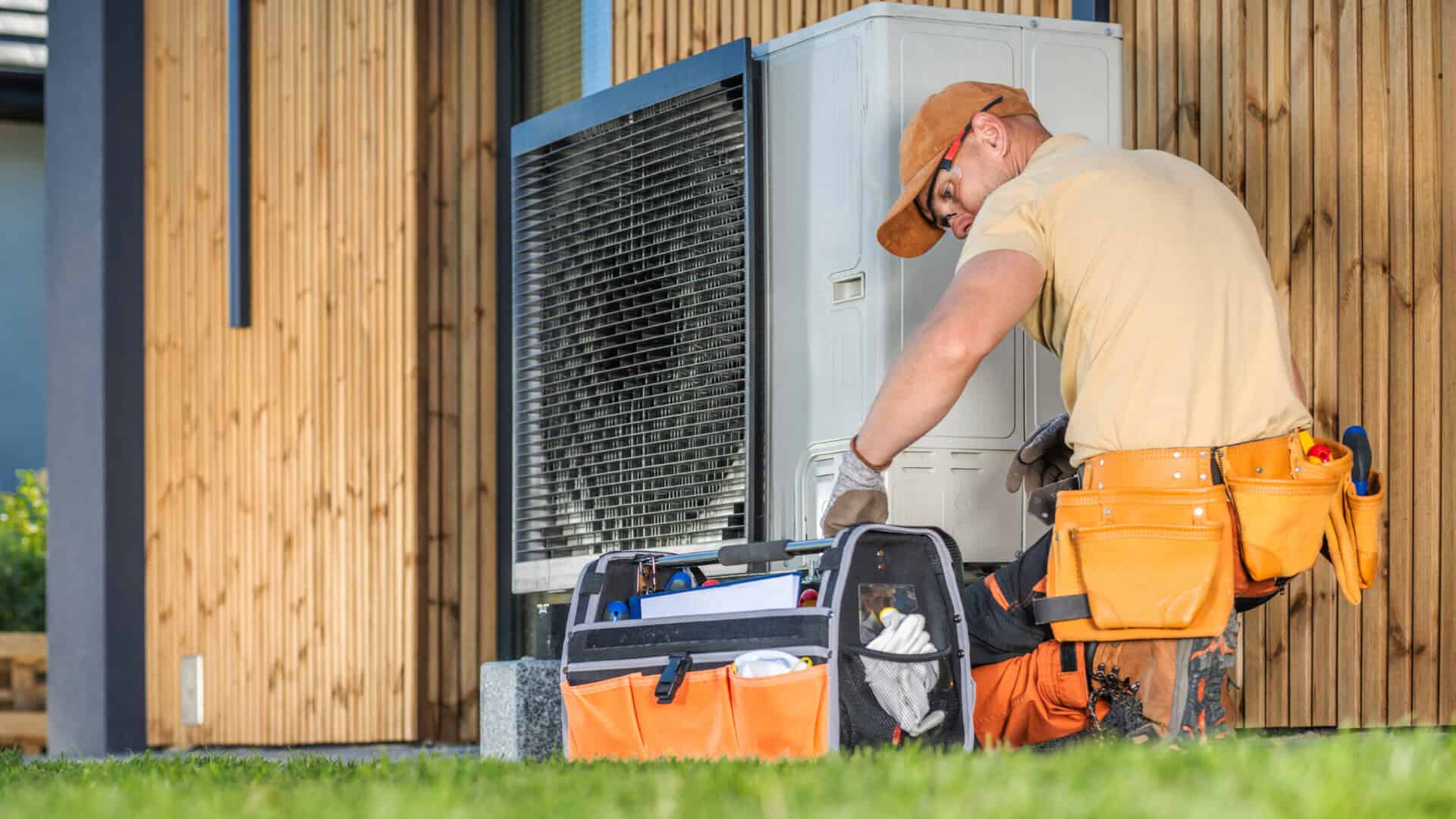
Nearly one in three UK heat pumps underperform simply because they’re not serviced regularly.
This can add up to 15% more on energy bills!
Heat pumps generally require less maintenance than traditional fossil fuel heating systems. But regular servicing still matters.
At IMS Heat Pumps, we offer a heat pump service & maintenance service.
Read on to learn why we think this is important.
Why regular maintenance matters

Energy efficiency
Keeping your heat pump in a clean and in good condition ensures optimal performance and reduces your energy consumption rates and energy costs.
Lifespan
Routine checks and servicing will extend your heat pump’s operational lifespan and avoid expensive repairs or replacements.
Consistent Comfort
A well-maintained heat pump system will offer reliable year-round heating and cooling.
Warranty compliance
Many manufacturers require annual servicing to maintain warranty validity.
Key heat pump maintenance tasks
Annual professional servicing
Scheduling a yearly service with a qualified technician is vital to ensure system efficiency.
Also, many manufacturer warranties are only valid if you book regular services.
During the service, a professional technician will:
- Inspect and clean filters, coils, and fans.
- Check electrical connections, controls and settings
- Assess overall system performance and address any issues.
Keeping outdoor units clear
One of the simplest maintenance tasks (and most common air source heat pump problems) is removing obstructions such as:
- Snow
- Leaves
- Debris
- Anything else that might damage the outdoor unit.
This promotes correct airflow and prevents potential damage.
Cleaning or replacing filters
Air filters are vital components of a heat pump. They maintain indoor air quality by trapping pollen, dust, and other airborne particles.
Most filters require an annual cleaning. But homes with pets or in urban areas may need to clean and replace the filters more often.
Monitoring refrigerant levels
Refrigerant is integral to any heat pump’s operation, as it absorbs and transfers heat within the system.
Low refrigerant levels can compromise the heat pump’s performance and damage the compressor. And It can cause long-term damage.
A professional will assess the system and determine whether there are any leaks, then repair them if necessary.
Cleaning or replacing evaporators & condenser coils
Evaporator and condenser coils are crucial during the heat exchange process. Even minor issues can cause ongoing problems.
For example, coils that accumulate debris and dirt will struggle to absorb and release heat.
In most cases, you won’t need to worry about evaporator and condenser coil maintenance. A professional will check for issues during your annual inspection.
But there are things you can do to ensure the heat pump maintains efficient operation.
For example, a soft brush or cloth supports airflow and ensures the heat pump operates properly.
Clearing ductwork & vents
The ductwork and vents ensure that your heat pump doesn’t have to work too hard. But debris build-up and obstructions can cause ongoing issues.
There’s also a risk of leaky ductwork. This can impact your pump’s ability to maintain regular temperatures and lead to higher electricity bills.
When the pump has to work harder, it can also lead to a shorter lifespan.
It’s essential to check for signs of leaks and dust accumulation around the duct joints.
Checking and adjusting thermostat settings
Your thermostat is mission control for your heat pump, as it ensures that it can maintain consistent temperatures.
However, thermostats can experience issues that need immediate attention, or you won’t be able to manage the heat pump’s temperature output.
Verify that your controls are functioning correctly and set to appropriate temperatures. Consider modulating controls for improved energy management.
If you can isolate the problem after checking the controls, it’s time to call a professional.
Monitoring overall system performance
It’s essential to pay attention to any strange noises, increased energy bills, and reduced heating or cooling efficiency.
Even if you only notice minor differences, they can be signs of underlying issues. These might worsen over time without professional advice and support.
For example, heat pumps are not noisy. If you notice yours is, it likely won’t be long before you also notice reduced performance and increased costs.
The bottom line
When you install a ground—or air-source heat pump, you can expect low maintenance requirements and a renewable energy source.
Well-maintained systems can last for decades, and maintenance requirements are usually lower than with oil and gas boilers.
If you’re interested in installing a renewable energy system, IMS Heat Pumps can help.
We are specialists in both air source heat pump installations and ground source heat pump installations.
Please get in touch with our experts today to explore your options.